
Understand the risks of why pipes freeze and learn how to stop it before catastrophic structural damage occurs.
Implementing a reliable system for Remote Environmental Monitoring is one of the smartest ways to scale your asset protection strategy and protect your property from winter disasters. Lately, weather patterns have shifted dramatically. A prime example of this vulnerability is happening in the southern United States: many property owners are experiencing frozen and broken water pipes because regions like Texas are getting uncharacteristically cold winter weather.
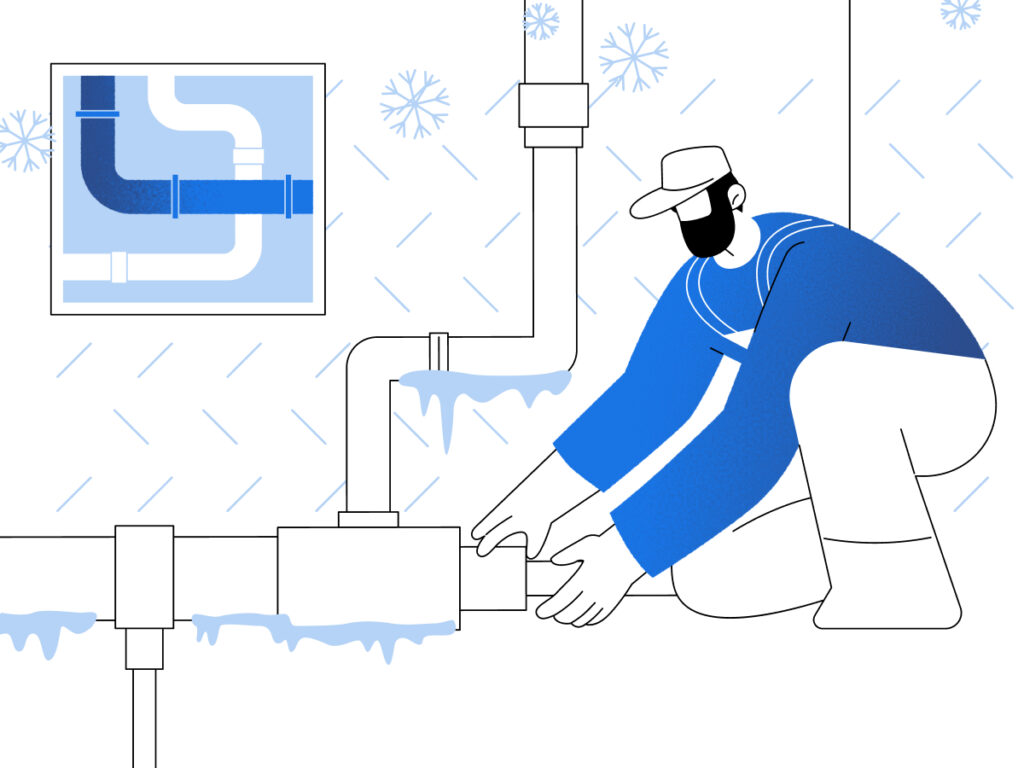
Many houses and commercial buildings in warmer climates were historically not built with heavy sub-zero insulation to withstand freezing temperatures for extended periods of time. Water pipes are highly susceptible to freezing when they aren’t insulated properly and are exposed to extreme temperatures. When water freezes and turns to ice, it expands, causing immense pressure inside the plumbing lines and risking a sudden, catastrophic burst.
Many houses and commercial buildings in warmer climates were historically not built with heavy sub-zero insulation to withstand freezing temperatures for extended periods of time. Water pipes are highly susceptible to freezing when they aren’t insulated properly and are exposed to extreme temperatures. When water freezes and turns to ice, it expands, causing immense pressure inside the plumbing lines and risking a sudden, catastrophic burst.
🛠️ Need a Custom Temperature Solution?
At MarCELL, we are always working on new engineering solutions to protect your critical infrastructure. If your facility requires unique, extended temperature ranges—whether for extreme high-heat operations or deep low-temperature sub-zero storage—we can build a custom probe tailored specifically to meet your exact needs.
Want to discuss your custom setup blueprints? Speak directly with our team of on-site engineers today through our live website chat or email us directly at support@sensoredlife.com.

If pipes are properly insulated, they are significantly less likely to break. However, structural blind spots exist in almost every layout. Rooms with outside walls and other less-insulated architectural spaces are more at risk for frozen pipes. Property managers should pay extra attention to lines running through:
To understand the safety thresholds of building materials and winter safety, you can explore the official CDC Winter Weather Guidelines to learn more about protecting your health and infrastructure during extreme cold snaps.
Frozen pipes? Act fast—here’s how to thaw plumbing lines safely and prevent costly structural damage.
To detect a frozen pipe early, turn on a faucet and check the water pressure. If water is not flowing normally or only a few drops come out, you likely have a frozen pipe line.
If your pipes are frozen, follow these emergency steps immediately:
Avoid frozen and broken pipes entirely by protecting your property with smart winter prep before the freeze hits:
When scaling your property safety setup against freezing conditions, ensure your hardware platform supports these operational requirements:
To match your building scale or facility layout, select the specific hardware configuration built for freezing protection:
| Use Case | Best Hardware Match | Why |
|---|---|---|
| Core single-room monitoring with built-in freeze alerts | MarCELL Temperature & Humidity Monitor | A practical fit for standalone monitoring, equipped with internal sensors to track ambient freeze risks. |
| Complex, multi-room layouts or large commercial properties | MarCELL Pro Multisensor | Built specifically to manage multiple external wireless water PUCKs and wired probes simultaneously from one unified hub. |
Investing in the right peripheral gear keeps your assets secure and your operations fully compliant throughout the winter. Whether you are safeguarding a vacant vacation home or managing a commercial warehouse, automated climate tracking ensures you stay one step ahead of freezing temperatures.
Ready to customize your remote tracking setup with our specialized external hardware options? Browse our extensive Accessories Catalog to find water sensor PUCKs tailored to your specific layout, or check out our Compare Products page to find the ideal hardware blueprint for your next project.
Severe winter storms often cause power outages that instantly knock out local Wi-Fi routers. If your sensor relies on Wi-Fi, you will go completely blind right when the freeze danger is highest. The MarCELL monitor uses an independent cellular link, keeping your alerts live even during a total blackout.
Water pipes typically start freezing when the outside temperature drops to 20°F (-6°C) or below. However, pipes hidden inside uninsulated walls or crawlspaces can freeze even if the outside temperature is slightly higher, especially if cold wind drafts are hitting the exposed plumbing lines.
You can view all contract-free tracking plan rates on our transparent Subscription Plans page.