For any property owner or real estate manager, the ultimate operational nightmare is discovering a massive, budget-breaking repair that could have been entirely prevented. Routine upkeep is not just an administrative chore—it is a direct investment strategy. Keeping an investment property in peak structural and mechanical condition is the most effective way to eliminate unexpected emergency costs, protect tenant safety, and steadily maximize both long-term asset equity and monthly rental value.
When a rental unit or unattended commercial building suffers from neglected systems, the financial decline accelerates. This comprehensive guide walks through the high-value areas property managers must protect, common oversight mistakes, and how to use modern remote monitoring to safeguard your cash flow.
Property value and rental pricing are fundamentally driven by market perception and risk mitigation. A property that shows signs of deferred maintenance—such as clogged gutters, aging HVAC systems, or poor climate control—signals risk to top-tier renters, driving down your potential rental income. Conversely, a well-monitored, pristine property attracts premium tenants who are willing to pay a rental baseline increase because they trust the building’s reliability and safety infrastructure. Protecting the property means protecting your yield.
Neglecting structural and mechanical baselines leaves your real estate investment open to severe operational liabilities:
| Property Zone / System | Recommended Upkeep & Tracking | Primary Risk of Neglect |
|---|---|---|
| Indoor Ambient Temp | Keep between 60°F and 78°F (15°C to 25°C) | Frozen pipes in winter; rapid mold cultivation or drywall decay in summer. |
| Relative Humidity (RH) | Keep strictly below 55% RH | Mold growth on walls, wood floor cupping, musty odors that lower rent value. |
| HVAC Air Filtration | Replace filters every 90 days | Compressor burnout, high electricity bills, poor indoor air quality. |
| Exterior Gutters & Trees | Bi-annual clearing; dead limb removal | Foundation water pooling, roof punctures during windstorms. |
| Electrical Power Status | 24/7 continuous monitoring | Sump pump failures, refrigerator spoilage, disabled security systems. |

The exterior of your property provides the critical first impression for perspective applicants driving by. Overgrown, neglected landscaping isn’t just an eye sore—it actively devalues the asset. Dead tree branches pose a severe risk to the building envelope during high winds, and clogged gutters force rainwater to back up into the ceiling line. Keeping landscaping trimmed, gutters clear, and the facade clean establishes a premium market value before a prospect even steps inside.
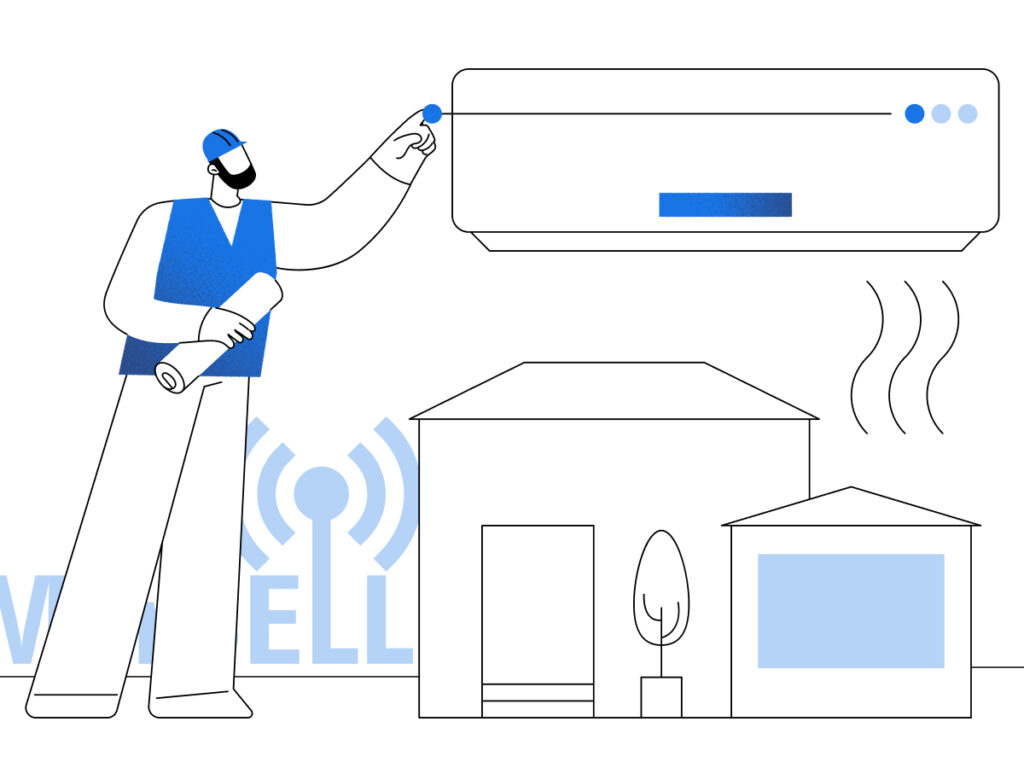
Replacing a commercial or residential HVAC system is a massive capital expense that immediately drains rental profitability. Property managers can dramatically extend system lifespans by strictly swapping internal air filters every 3 months. Clean filters optimize airflow, reduce energy bills by keeping system efficiency high, and prevent dust buildup on internal coils that leads to system freezing.
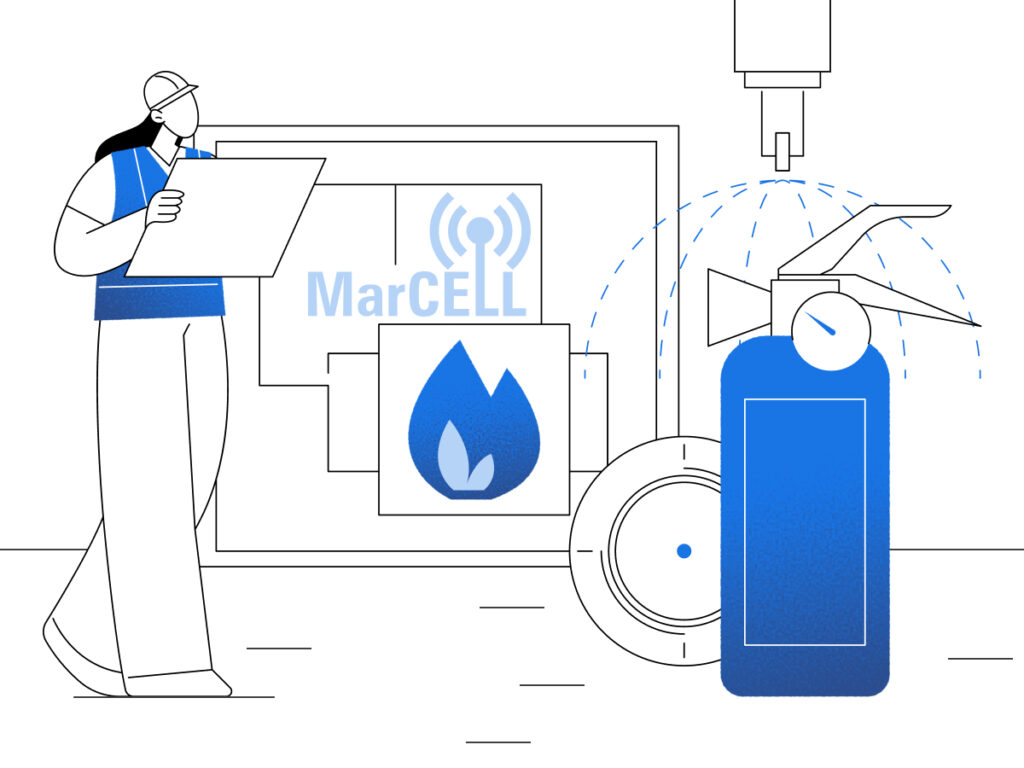
Routine verification of smoke and carbon monoxide detectors is an absolute legal and moral requirement for landlords. Maintenance must include changing the batteries annually, replacing aging detector units every 10 years, and ensuring an up-to-date, functional fire extinguisher is mounted accessibly in every rental unit.
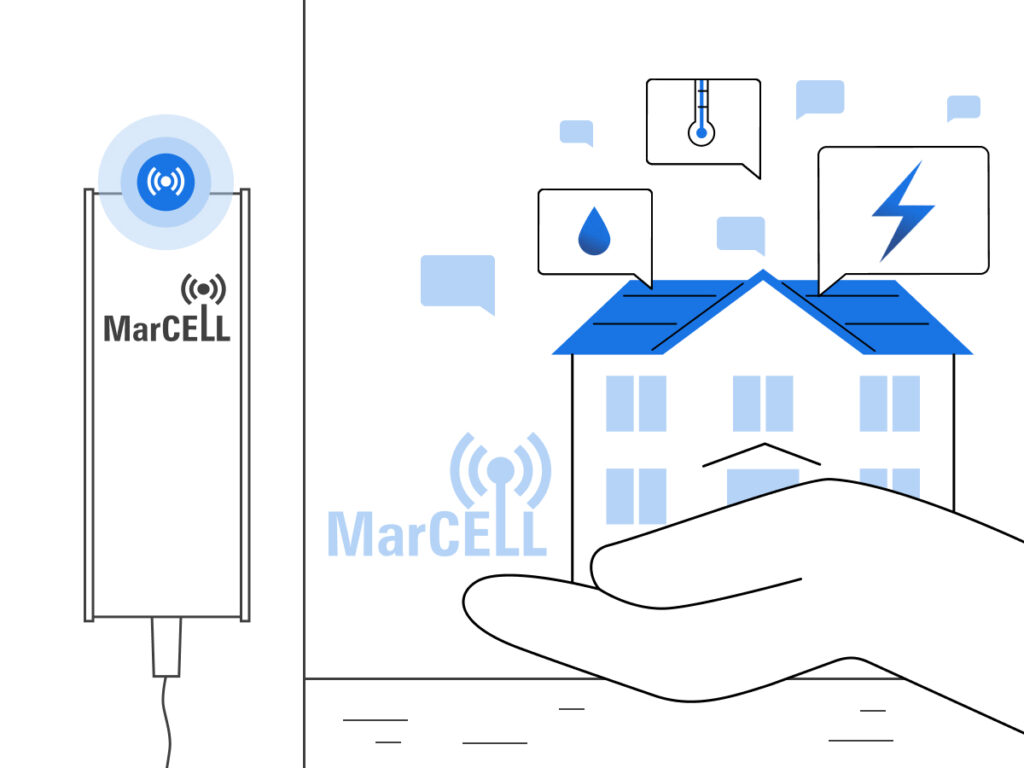
Maintaining total visibility over an investment property—especially during structural transitions or vacancies—is nearly impossible without automated tracking. Implementing an independent remote climate monitor allows you to track changing indoor conditions right from your mobile device. Rather than waiting for a tenant to complain, property managers receive early visibility regarding structural threats.
Pro Tip: When a rental unit is vacant between leases, set your digital cooling thermostat to a conservative 78°F (25°C) and pair it with a cellular monitor. This prevents excessive power bills while ensuring the air continues to circulate enough to stop humidity from climbing past a safe 55% RH threshold.
When protecting an expensive real estate asset, don’t rely on cheap consumer gadgets. Look for a monitoring system built on professional operational standards:
To optimize your real estate maintenance plan, select the hardware profile that matches your current tenant layout:
| Use Case | Best Fit | Why |
|---|---|---|
| Core ambient tracking for single-family rentals or condos | MarCELL Temperature & Humidity Monitor | A highly practical fit for tracking temperature spikes, humidity drops, and power outages without tapping into local internet lines. |
| Multi-unit buildings or properties with deep basements | MarCELL Pro Multisensor | Allows managers to tie multiple external wired probes or zones into one robust, cellular reporting module. |
| High-risk water zones (Sump pumps, laundry closets, water heaters) | SPuck Water Sensor | Lies flat on the floor to send an instant alert message the second a plumbing line or appliance begins to weep fluid. |
Maximizing rental yields while eliminating emergency repair costs requires transition from reactive fixing to proactive tracking. While a cellular monitoring system cannot manually swap an HVAC filter or clear a clogged gutter, it serves as a reliable digital guard that supports faster response times and eliminates unnoticed environmental damage. Safeguarding your building’s climate ensures your investment remains highly profitable for years to come.
Want to learn how independent cellular tracking can fit seamlessly into your existing real estate operations? Take a look at our specialized Facility Monitoring Page to discover professional asset management setups, or read through our comprehensive FAQs Main Page to learn how easily the system installs without complex technical overhead.
Wi-Fi-based monitoring systems are highly unreliable for rental properties. If a tenant changes the Wi-Fi password, fails to pay their internet bill, or if a storm knocks out local cable lines, a Wi-Fi monitor goes completely blind. The MarCELL Temperature & Humidity Monitor operates on an independent cellular network, ensuring property managers maintain direct visibility of environmental threats without relying on a tenant’s local internet connection.
Most catastrophic property insurance claims stem from long-term, unaddressed issues like a slow pipe leak or sustained indoor humidity that breeds widespread structural mold. By utilizing early-warning systems and water sensors, property managers can catch leaks within minutes rather than weeks. This supports a faster response time, helping keep minor maintenance incidents small and manageable before they require major insurance claims.
When a vacant home loses power, HVAC systems and sump pumps instantly shut down, exposing the property to flooding and thermal shock. If you deploy a MarCELL device, an internal battery backup kicks in automatically the moment power fails. The unit will use its cellular connection to send an immediate power loss text or phone alert to your device, allowing you to notify property managers or local utility teams right away.
Landlords managing individual units or expansive portfolios can view all standard cellular data rates directly on our Subscription Plans page. If you need help choosing specific peripheral water pucks or mounting gear, browse our Accessories Catalog or get in touch with our team via the Contact Us page.