
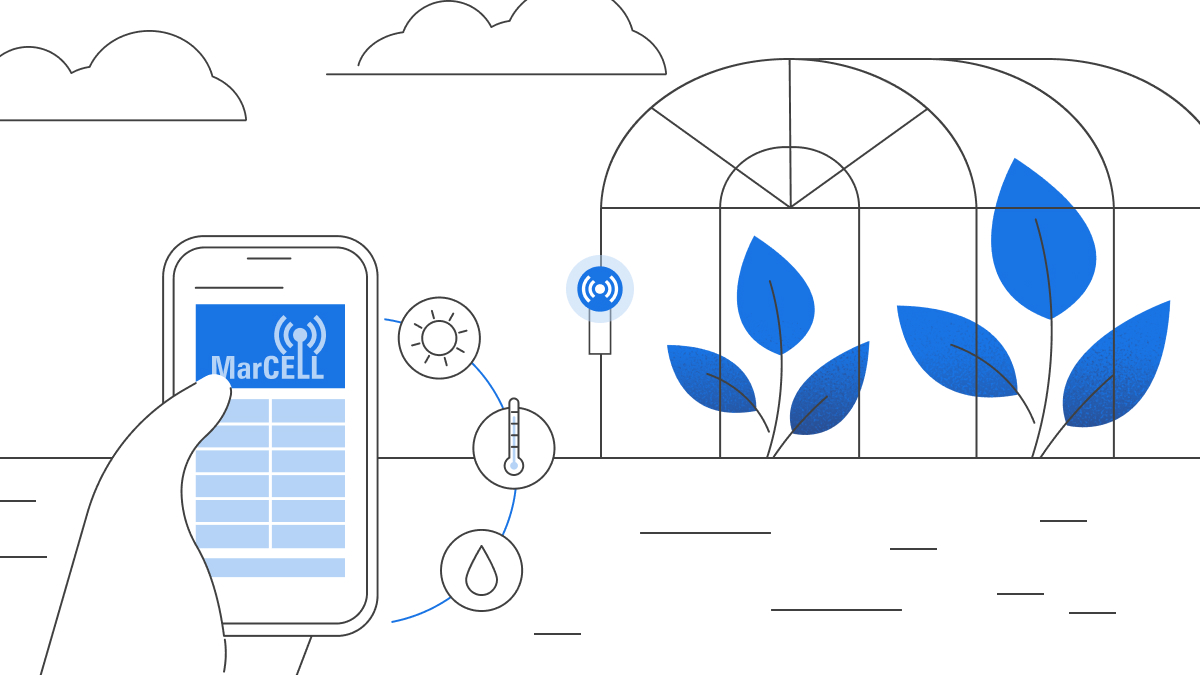
Growing plants in a greenhouse is an excellent way to provide regulated climatic conditions to help your crops thrive. However, maximizing plant health and harvesting premium yields requires precise environmental control and continuous monitoring. Because greenhouses are completely enclosed structures, relative humidity (RH) has a natural tendency to rapidly build up. If left unmanaged, excess moisture forms a micro-climate on leaf surfaces that can permanently damage delicate root systems, attract devastating pests, and trigger widespread fungal infections like downy mildew.
The secret to commercial-grade plant growth lies in carefully balancing ambient temperature, regulating humidity levels, and ensuring that your crops grow without being exposed to excessive, stagnant moisture. This educational guide outlines 5 actionable ways to maintain a healthy greenhouse environment and prevent catastrophic crop loss.
Plants are delicate, highly responsive organisms that require a precise atmospheric equilibrium to perform photosynthesis and transpiration efficiently. When temperature or humidity levels fluctuate outside of a crop’s specific genetic sweet spot, the plant enters a state of environmental stress.
High humidity stops the plant from absorbing vital nutrients through its roots, while extreme heat or sudden cold snaps can stunt growth cycles or kill delicate blossoms entirely. For modern growers and commercial facility managers, relying on manual thermometer checks leaves your inventory exposed to swift, unmonitored micro-climate shifts that can wipe out a seasonal harvest overnight.
| Environmental Variable | Target Operational Standard | Primary Risk if Outside Safe Zone |
|---|---|---|
| Relative Humidity (RH) | Balanced between 50% and 70% RH | High: Fungal blight, powdery mildew, bud rot. Low: Rapid transpiration, leaf scorch, moisture stress. |
| Daytime Temperature | 75°F to 85°F (24°C to 29°C) | Photosynthesis halting, thermal stress, cellular breakdown. |
| Nighttime Temperature | 60°F to 65°F (15°C to 18°C) | Immediate dew formation on leaves if temperature drops too fast. |
| Power Supply Status | Continuous 24/7 Availability | Total failure of exhaust fans, automated louvers, and heating grids. |
Keeping the air actively moving inside your structure is one of the most effective ways to prevent localized moisture pockets from forming. Increasing vertical and horizontal airflow breaks up the boundary layer of stagnant humidity that naturally sits on leaf surfaces and wet soil beds. Property managers should look to increase ventilation by keeping main loading doors open during peak sun hours, utilizing targeted circulation fans, or installing automated exhaust shutter lines.
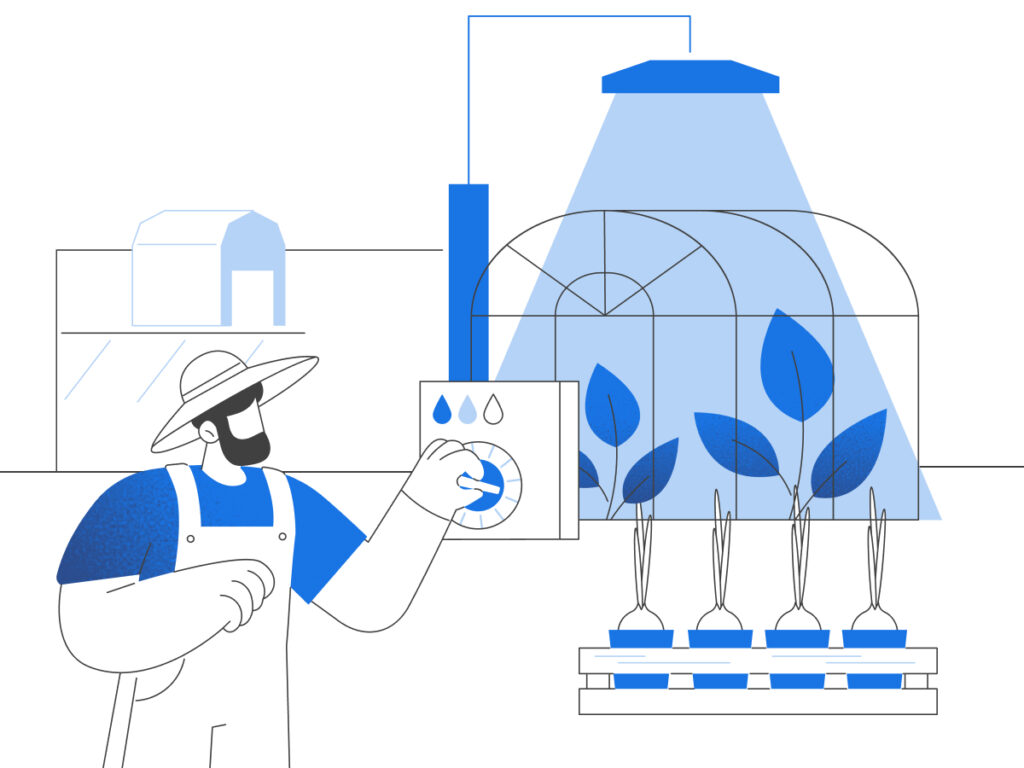
Moisture naturally condenses and reforms as physical liquid droplets when ambient air temperatures drop—a process that typically occurs every single night as the sun sets. Keeping your greenhouse warm during the dark hours prevents the formation of dew on vulnerable vegetation. This practice is incredibly vital during cold winter cycles or cool summer nights. By coupling an industrial heating system with a reliable temperature monitor, you can easily determine the optimal thermal baseline needed to mitigate condensation.

While excessive moisture breeds destructive fungi, excessively low levels of humidity can be equally damaging to your crop yields. In dry, arid climates, indoor air can quickly become parched, forcing plants to dehydrate through accelerated transpiration. Deployed correctly, evaporative cooling pads or misting lines represent a highly effective, natural way to regulate temperature and inject healthy humidity simultaneously, keeping leaves supple and protected against extreme solar heat damage.
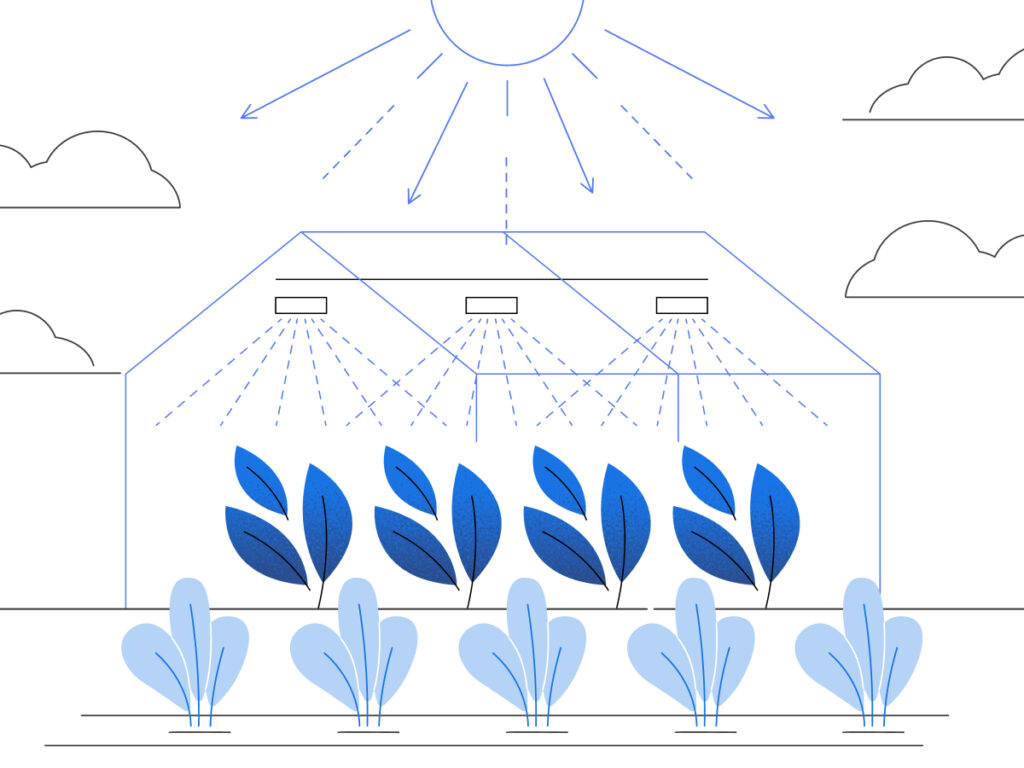
To maintain structural health, you must ensure that your growing zones are receiving maximum, unobstructed solar radiation. While managing intense summer heat waves sometimes requires specialized shade cloths, excessive or unmanaged shading can stall soil evaporation, causing localized dampness to linger. Keep structural panels clean of debris, trim back overhanging tree branches that block natural morning light, and audit window condensation early. If you spot moisture beads forming on cool pipes or perimeter glass frames, it is a direct warning sign that your current ventilation is failing to evacuate heavy air masses.

Maintaining a flawless, multi-zone micro-climate around the clock is an arduous task that can easily result in over-correcting in one direction. Implementing a remote greenhouse monitoring setup provides you with real-time, objective data regarding your air conditions.
The ideal monitoring equipment operates entirely independent of the facility’s primary infrastructure. By utilizing a cellular-powered solution, you ensure that local internet crashes, regional landline drops, or sudden power grid blackouts won’t interrupt your environmental visibility. When a sudden cold front hits or an exhaust fan motor burns out, independent alerts give you a vital head start to intervene before your crops suffer irreversible cell death.
When evaluating environmental guards to protect your agricultural yields, look for hardware that fits these practical criteria:
To safeguard your crops and secure consistent seasonal yields, select the hardware profile that naturally maps to your facility layout:
| Use Case | Best Fit | Why |
|---|---|---|
| Standalone ambient climate tracking for standard greenhouses | MarCELL Temperature & Humidity Monitor | A highly practical fit for core environmental tracking and instant power loss notifications via an independent cellular connection. |
| Multi-zone facilities or multi-room propagation bays | MarCELL Pro Multisensor | Ideal when you need to connect multiple external wireless probes to monitor separate seed beds, root zones, and ambient air layers simultaneously. |
| Open agricultural infrastructure or livestock barns | FarmCELL Agricultural Monitor | Heavy-duty, cellular-powered environmental monitor tailored specifically to handle the rugged air and dust conditions of agricultural spaces. |
Maintaining healthy, thriving plants is a continuous learning experience that requires a balance between environmental experimentation and strict operational discipline. While automated vents, heaters, and fans handle the physical adjustments inside your greenhouse, standalone cellular tracking units serve as an uncompromised digital safety net. Investing in a network-independent monitoring setup supports faster response times, eliminates unnoticed climate failures, and allows you to maximize your harvest for the best yields possible.
Are you ready to optimize your greenhouse safety plan? Take a look at our specialized Greenhouse Monitoring Use Case Page to see how independent climate tracking fits into daily cultivation workflows, or browse our Subscription Plans page to pick the flexible, contract-free data framework that aligns with your seasonal growing calendar.
Greenhouses are structurally prone to signal interference. The combination of dense plant canopies, heavy moisture vapor, metal framing, and distance from main buildings severely weakens Wi-Fi signals, causing frequent disconnections. The MarCELL Temperature & Humidity Monitor operates entirely on an integrated 4G cellular modem, meaning it bypasses local router networks completely to deliver reliable, unbroken emergency alerts straight to your phone.
MarCELL monitors your growing environment 24/7 and will dispatch instant notifications via text message, direct phone calls, or emails the exact second an asset threat is detected. It alerts you if ambient temperatures exceed your custom high/low boundaries, if relative humidity crosses your safe percentage limits, or if the main facility experiences a total electrical power outage.
Yes. Your active device continuously logs data points and uploads them to a cloud-based dashboard. Through either the desktop portal or the mobile application, you can view comprehensive historical charts detailing your temperature and humidity trends over days, weeks, and months. This allows you to spot dangerous nighttime humidity surges and calibrate your HVAC and ventilation systems with extreme precision.
You can easily weigh different hardware technical specs side-by-side by reviewing our dedicated Compare Products page. To check data rates and connection profiles, explore our Subscription Plans page, or get direct engineering guidance for your layout by dropping us a message on our official Contact Us page.