
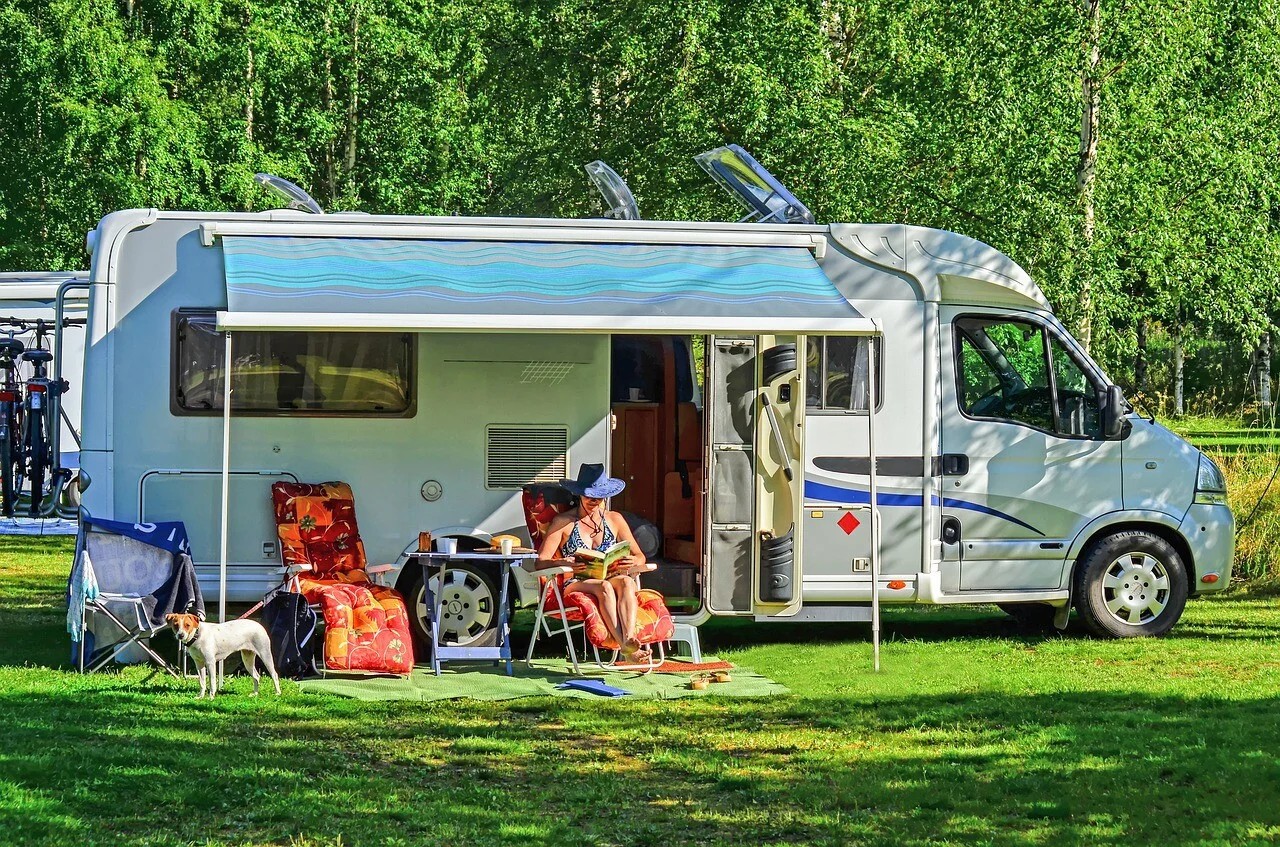
For many campers and seasonal adventurers, hitting the open highway in a motorhome or travel trailer is the ultimate way to see the country. Road-tripping with your dogs or cats is a fantastic way to deepen your bond, eliminate the high stress and financial burden of airline travel, and ensure that your entire family stays together on vacation.
However, managing a successful pet-friendly RV journey requires far more than loading up your furry companion and driving off into the sunset. Large vehicles introduce unique physical, mechanical, and environmental variables that can threaten your pet’s well-being if left unmanaged. This educational guide maps out the ultimate pet essentials checklist, critical highway safety protocols, and the real-time monitoring requirements necessary to protect your furbabies while living on the road.
An RV is a rolling house, and just like a stationary home, it is subject to structural shifts, temperature extremes, and mechanical appliance failures. Unlike passenger cars where pets are always within arm’s reach, an RV cabin offers more room to roam—which becomes an extreme safety liability while the vehicle is in motion. Unsecured pets can be thrown during sudden braking maneuvers, interfere with the driver’s blind spots, or become exposed to rapid, life-threatening heat spikes if an onboard generator or campground power pedestal fails. Protecting your pets means establishing automated safeguards long before you pull out of your driveway.
| Safety Factor | Recommended Operational Standard | Primary Risk of Neglect |
|---|---|---|
| Interior Cabin Temp | Maintain strictly between 65°F and 78°F (18°C to 25°C) | Rapid, fatal pet heatstroke or hypothermia during power drops. |
| Shore Power Status | 24/7 continuous power line tracking | A tripped park breaker shuts down A/C units instantly while you are away. |
| Rig Travel Restraint | Crash-tested safety harnesses or anchored travel crates | Impact injuries during sudden stops; driver distraction hazards. |
| Vaccination Records | Valid, up-to-date physical or digital health certificates | Denied entry at campgrounds, public beaches, and regional state parks. |
Before turning the ignition key, ensure your rig is fully stocked with these core pet supplies to maintain a healthy, predictable environment:
Never allow your dogs or cats to roam completely free inside a moving motorhome or fifth-wheel. In a collision or sudden hard-braking event, an unrestrained animal becomes a high-velocity projectile, risking fatal injuries to themselves and human passengers. Secure your dogs using crash-tested travel harnesses that clip directly into your vehicle’s factory seatbelt anchors. For cats and smaller dogs, utilize heavy-duty plastic or aluminum travel crates that are firmly ratcheted down to cargo hooks to prevent sliding.
The vast majority of premium RV resorts, national parks, and state campgrounds have strict pet policies to protect local wildlife and guests. Call your destinations ahead of time to confirm breed or size limits, leash-length restrictions (typically a maximum of 6 feet), and specific pet fees. You must ensure your pet is fully up to date on Rabies, Distemper, and Bordetella shots, as park rangers and camp hosts routinely ask to audit vaccination paperwork upon arrival.
While humans can easily handle four or five hours of continuous highway driving, your pets are not built for prolonged vibration and movement inside a vehicle cabin. Stop at an RV-friendly gas station or rest area every 2 to 3 hours. Take your dog for a slow, 10-minute leashed walk in designated pet relief zones to let them stretch their joints, decompress, and drink fresh water. This simple routine dramatically lowers travel-induced anxiety.
The single biggest invisible threat to an RV pet is an unmonitored interior heat spike. Many owners assume that because their rig is plugged into campground shore power or running an onboard generator, their pets are perfectly safe while the humans go out to a restaurant or grocery store.
However, campground grid failures, blown fuses, and generator stalls happen frequently. Because an RV is essentially an insulated box, interior temperatures can surge past 100°F (38°C) in a matter of minutes, causing fatal heatstroke. Deploying a dedicated, cellular-powered remote monitoring system inside your living quarters ensures you maintain visibility over your furbabies’ safety even when you step away from the site.
When trusting a device to guard the lives of your dogs or cats, bypass cheap consumer Wi-Fi gadgets. Look for an emergency notification system built on standalone reliability:
To tailor your mobile pet safety plan, select the tracking setup that matches your specific travel environment:
| Use Case | Best Fit | Why |
|---|---|---|
| Core temperature, pet cabin safety, and campground power tracking | MarCELL Temperature & Humidity Monitor | A highly practical fit for tracking interior heat spikes and shore power disconnects via an independent cellular connection. |
| Multi-room tracking (e.g., main cabin plus a separate pet crate room) | MarCELL Pro Multisensor | Excellent when you want to connect external wireless sensors to track different thermal zones inside a large multi-slide coach. |
| High-risk plumbing zones (RV water pumps, holding tanks, or pipe bays) | SPuck Water Sensor | Pairs with your main unit to alert you if a plumbing line rattles loose on rough roads and begins leaking near interior pet spaces. |
Enjoying the great outdoors with your pets is one of the most rewarding aspects of the RV lifestyle, but it demands proactive environmental management. While travel checklists and harnesses keep your journey organized on the highway, standalone cellular monitors act as a continuous digital safety net when you leave your rig behind. Investing in a reliable, network-independent monitoring system supports faster response times and ensures your furbabies remain completely safe, healthy, and happy throughout every mile of your adventure.
Want to see how easy it is to safeguard your pets without relying on fragile campground internet networks? Take a look at our dedicated RV Pet Safety Page to see real-world mobile safety configurations, or browse our Subscription Plans page to select the seasonal monitoring plan that matches your upcoming travel schedule.
Campground Wi-Fi networks are notoriously unstable, overloaded by hundreds of campers, and prone to dropping offline during heavy storms. Furthermore, if the campground experiences a localized power outage, the park’s routers shut down completely. Relying on a Wi-Fi monitor means you go completely blind the exact second a crisis occurs. The MarCELL Temperature & Humidity Monitor circumvents this risk entirely by communicating over its own dedicated, independent cellular hardware link.
While individual tolerances vary by breed, age, and coat thickness, interior ambient temperatures above 80°F (27°C) combined with typical stagnant RV humidity can quickly trigger dangerous thermal stress. It is highly recommended to configure your remote monitor’s customized alert boundary to 78°F (25°C). This provides a critical early-warning buffer, allowing you to return to the site and rescue your pets long before conditions reach a critical stage.
Yes, flexibility is key for seasonal travelers. You can easily suspend or reactivate your data plan to match your active camping calendar. To review all current seasonal rates, monitoring frequencies, and cancellation policies, feel free to explore our comprehensive Subscription Plans page.
You can analyze and compare all available external water probes, multi-sensors, and hardware features side-by-side on our dedicated Compare Products page. For custom rig layouts or unique technical inquiries, feel free to visit our Accessories Catalog or reach out directly via our Contact Us page.