
Illustration of a beach house connected to a MarCELL monitoring device under the sun and palm trees.

Prepping Your Southern Home Before Summer: The Ultimate Snowbird Checklist

Prepare your property inside and out to prevent heat, mold, and storm damage while you are away.

During the spring months of April, May, and June, thousands of seasonal residents and snowbirds pack up and move back up north for the summer to escape the stifling southern heat. However, leaving a property vacant during the peak of summer requires its own specialized set of precautions. Without proper asset protection and Remote Environmental Monitoring, a vacant home can quickly fall victim to soaring indoor temperatures, structural mold growth, or sudden power grid failures caused by seasonal storms.

Preparing a southern home for the summer makes sure it remains secure, efficient, and completely ready for a seamless move-in when you return in the fall.


🔌 Worried About Summer Storms and Power Blinks?

Southern summers are notorious for sudden lightning strikes and rolling blackouts that can knock out your air conditioning for days. If your HVAC system shuts down, indoor humidity can spike to dangerous levels in less than 48 hours.

Keep constant tabs on your property from anywhere in the world. Speak directly with our team of on-site experts via our live website chat or email us at support@sensoredlife.com to find the perfect cellular backup setup for your seasonal home.


Indoor Preparation: Protecting the Interior

Image showing indoor summer preparation in a southern home, featuring closed blinds, unplugged appliances, and remote monitoring devices.
Prep the inside — simple steps help protect your home while you’re away this summer.v

Prepping the inside of your property requires a few simple, proactive steps to defend the structure from humidity and electrical hazards while you are away:
  • Optimize the Thermostat: Set your air conditioner to about 78°F–80°F (25°C–26°C). This specific threshold allows air to continue circulating efficiently through the house and keeps the compressor running periodically without overworking the system while the home is unoccupied. Continuous airflow is vital to avoid catastrophic property damages due to mold and high humidity, especially in hot, humid coastal climates. To learn more about optimizing your system configuration for vacant properties, check out the official Energy.gov Energy Saver Guidelines for efficient seasonal cooling.
  • Block Out Direct Sunlight: Closing all window blinds, shades, and heavy curtains will significantly help keep indoor ambient temperatures down, reducing the cooling load on your HVAC unit.
  • Unplug Unnecessary Electronics: Televisions, kitchen appliances, computers, and chargers do not need to be left plugged into outlets in a vacant home. Leaving them unplugged entirely prevents severe internal damage caused by lightning strikes on localized electrical equipment.
  • Utilize Surge Protectors: For the essential appliances that must remain plugged in (like your refrigerator or security hubs), installing high-joule surge protectors is a critical safety precaution.
  • Simulate Occupancy: Consider installing smart home lights that can be controlled remotely or set on automated timers via a mobile device. Keeping your indoor and outdoor lights on a rotating timer gives the distinct impression that the home is occupied, deterring potential intruders.

Outdoor Preparation: Securing the Exterior

Image showing outdoor summer preparation for a southern home, featuring trimmed landscaping, secured furniture, and storm-readiness measures.
Secure the outside — protect your property from heat, storms, and summer surprises.

Securing the outside of your property shields your structure from extreme heat waves, unexpected tropical storms, and sudden summer surprises:
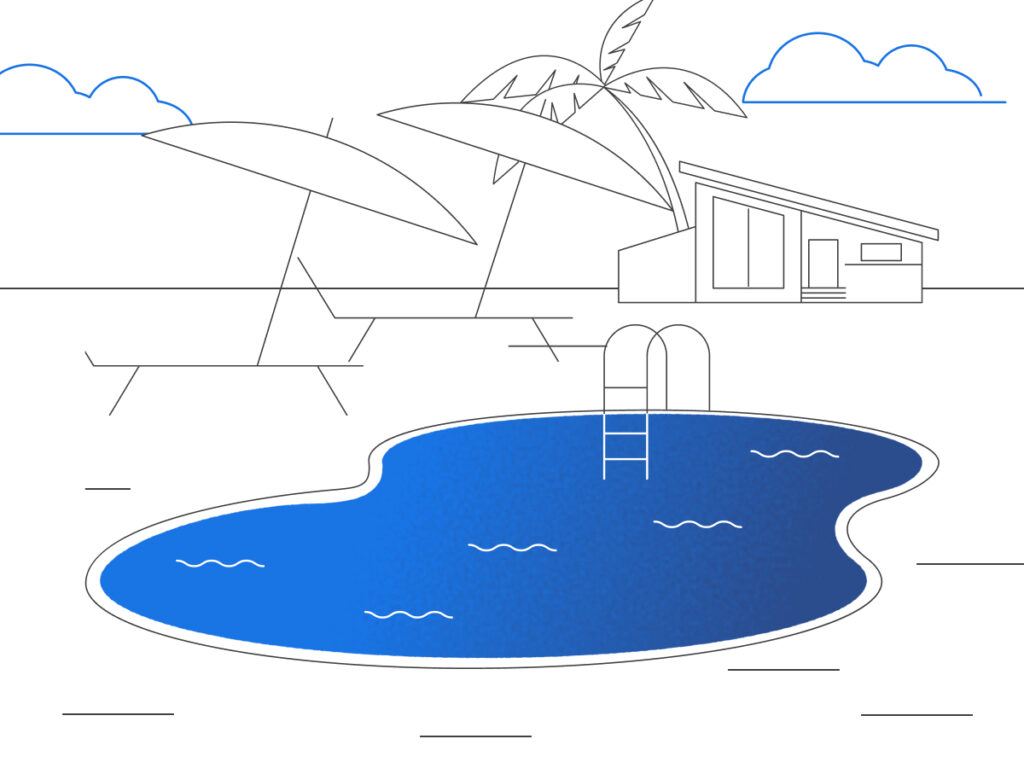
  • Clear Loose Items: Clean up your outdoor living space by securely storing all outdoor patio furniture, umbrellas, decorations, and small appliances inside a garage or shed where they cannot become dangerous airborne projectiles during high-wind events.
  • Establish Pool Maintenance: If applicable, ensure you have a firm, contracted plan for ongoing pool maintenance, chemical balancing, and water level management while you are away to prevent algae blooms.
  • Maintain the Landscaping: Keeping the exterior of a home in pristine condition maintains its curb appeal and gives a strong impression that the home is currently occupied. If your local HOA does not automatically take care of outdoor landscaping, hire a reliable local landscaping service to handle regular lawn mowing and bush trimming.

General Logistics Before Heading North

Image showing general summer preparation for a southern home, featuring both indoor and outdoor readiness, including climate control, unplugged electronics, and secured landscaping.
Smart summer prep — protect your southern home inside and out before heading north.

Smart summer preparation involves tying up loose administrative ends at least 10 days before your scheduled departure date:

  1. Forward Your Mail: Make sure to forward your mail, packages, and any other regular subscription deliveries to your alternate northern address so they do not pile up on your doorstep.
  2. Pause Temporary Subscriptions: Discontinue or temporarily pause non-essential services such as high-speed internet, premium cable tiers, and local physical newspaper subscriptions that will not be utilized during your absence.
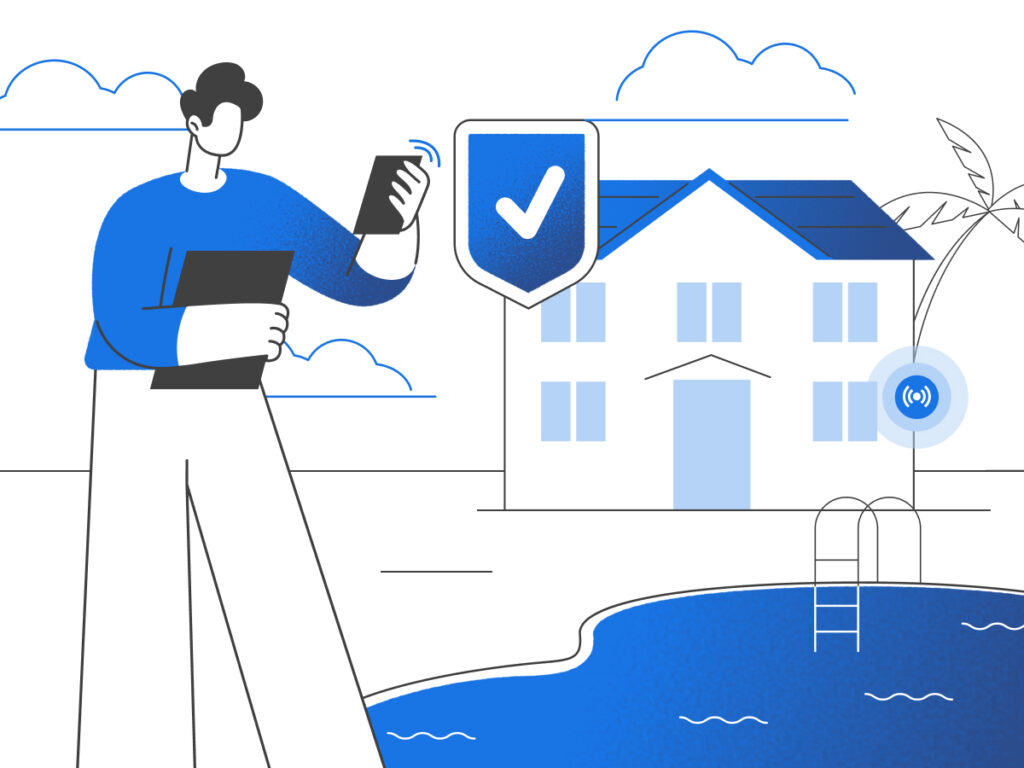
  3. Deploy a Cellular Sentry: Install a dedicated MarCELL monitoring device to keep tabs on your property’s ambient temperature, relative humidity, and shore power status at all times.

Why a Cellular Sentry is Essential for Vacant Homes

Relying entirely on a neighbor to check on your home once a week leaves a massive 6-day blind spot. If your AC unit fails on a Monday, mold can colonize your walls long before anyone steps through the front door on Saturday.

Hazard EventWithout MarCELLWith MarCELL Cellular Protection
HVAC Failure / Compressor BlowoutAmbient heat spikes past 90°F, leading to warped drywall and rapid mold growth.You receive an instant phone call or text alert the exact second the indoor temperature crosses your safe threshold.
Summer Storm Power OutageLocal Wi-Fi routers turn off, leaving standard smart home apps completely blind and offline.The monitor utilizes its own internal backup battery and independent cellular connection to notify you of the power failure immediately.

Final Thoughts

Taking the time to systematically secure your seasonal property ensures total peace of mind all summer long. By balancing physical security measures—like storm shutters and lawn care—with automated environment tracking, you can head north knowing your southern investment is completely insulated from unexpected climate disasters.

Next Step for Property Owners

Ready to secure your vacation home with an independent climate tracker before your next departure? Check out our complete Compare Products page to select the ideal hardware framework for your layout, or browse our budget-friendly, contract-free subscription rates on our Subscription Plans page.


Frequently Asked Questions (FAQ)

Why shouldn’t I just turn my air conditioner completely off while I am away for the summer?

Turning your AC completely off in hot, southern climates is highly dangerous for a home. Without the cooling and dehumidifying cycles of an air conditioner, indoor relative humidity will quickly rise above 70%. This creates the exact environment required for toxic mold to develop on furniture, clothing, and drywall, resulting in thousands of dollars in remediation costs.

Do MarCELL monitoring devices require a local home Wi-Fi connection to send alerts?

No. The MarCELL Temperature & Humidity Monitor operates entirely on its own built-in cellular data chip. This means even if you disconnect your home internet service to save money during the summer, your monitor will remain fully online, recording data and broadcasting emergency alerts flawlessly.

How long does the internal backup battery last if a tropical storm knocks out power?

If the main power grid fails, the MarCELL system immediately dispatches an alert to your phone and transitions seamlessly to its internal backup battery, which keeps the unit monitoring your property’s environment for up to 48 hours.

Last updated: 25 days ago