
Discover how volatile winter weather patterns, low humidity, and power grid failures threaten vacant properties—and learn the exact steps to insulate your home.
When winter weather rolls around and holiday travel plans begin to unfold, keeping your primary residence or secondary property secure becomes a high-stakes priority. Statistically, nearly 50% of Americans travel during the peak winter holiday season. For the millions of homeowners who split their time between multiple properties or head out of town to visit family, leaving a house unattended during the coldest months of the year introduces a serious layer of structural risk.
We all want the definitive peace of mind that comes with knowing our homes will remain exactly as we left them while we are away. However, winter environments present unique mechanical and physical challenges to a building’s infrastructure. By executing a proactive home safety audit and deploying independent Cellular Environmental Monitors, you can confidently insulate your property from devastating seasonal mishaps.
❄️ Heading Out of Town for the Holidays?
A sudden winter ice storm can snap regional power lines, shutting down your furnace completely while you are miles away. Without an active heat source, interior residential walls can drop below freezing in less than 24 hours.
Protect your structural investments with an off-grid cellular monitor that tracks real-time temperature, humidity, and shore power status. Connect with our residential security team via our live website chat or at support@sensoredlife.com to safeguard your home this season.
Winter weather is notoriously unpredictable, often forcing starkly contrasting weather anomalies across different regions of the country.

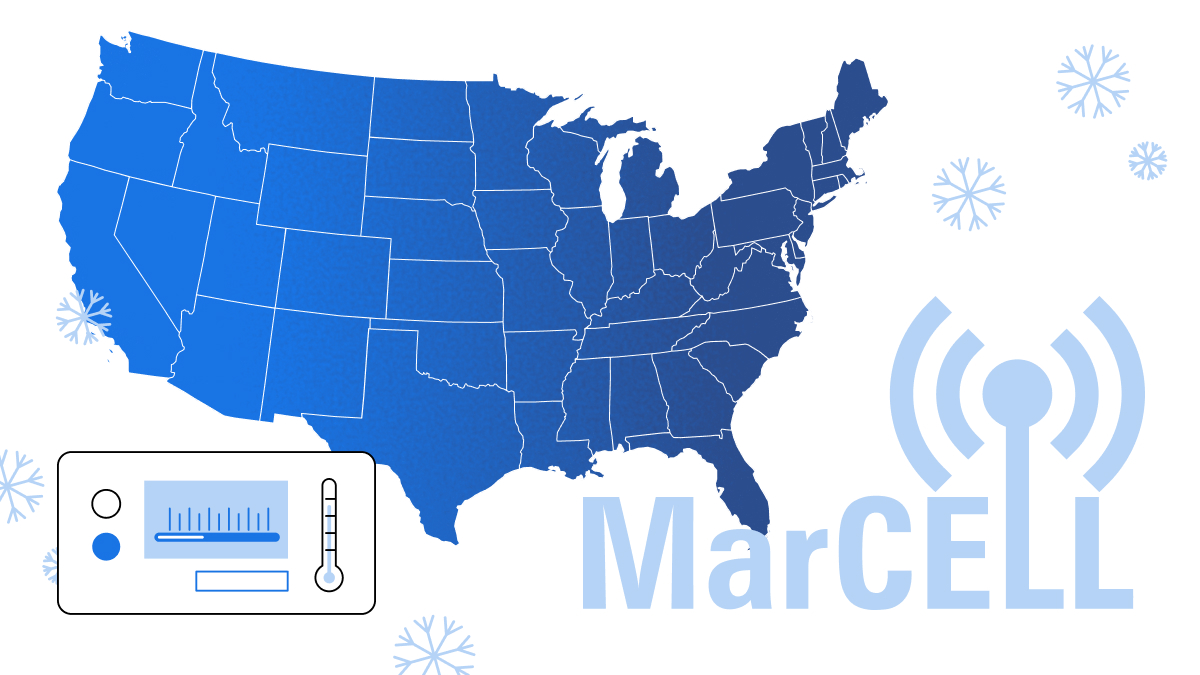
According to seasonal data tracked by the National Oceanic and Atmospheric Administration (NOAA) Climate Prediction Framework, modern winter outlooks frequently exhibit classic La Niña patterns. This means that while the southern tier of the United States often experiences warmer and drier than average conditions, regions extending eastward from the Pacific Northwest to the Western Great Lakes are routinely hit with significantly colder, wetter, and harsher winter micro-climates.
This regional volatility means homeowners cannot afford to take a passive approach. Whether your property is facing an intense sub-zero deep freeze or a prolonged dry spell, it is critical to bundle up both yourself and your home’s internal infrastructure before the worst elements hit.
Many seasonal property hazards happen quietly, hidden behind drywall or inside crawlspaces, before manifesting as expensive structural emergencies.

When ambient indoor temperatures drop below the freezing threshold, static water resting inside your plumbing lines begins to crystallize. As water turns to ice, it expands significantly, creating immense hydraulic pressure inside copper, PVC, or PEX pipes. Eventually, the pipe walls rupture. The true disaster occurs when the home warms back up: the ice melts, throwing thousands of gallons of uninhibited, pressurized water straight into your flooring, cabinetry, and electrical systems.
To review the complete architectural mechanics of cold-weather building degradation, you can explore Bob Vila’s Comprehensive Guide to Structural Winter Damage to understand how freezing climates stress older residential foundations.
To ensure your property remains safe, warm, and energy efficient throughout the freezing season, execute a comprehensive home safety audit before your departure date.
Ensure your attic floor and exposed crawlspaces are insulated to the highest recommended R-value for your geographic zone. Wrapping vulnerable water lines in dedicated foam pipe insulation or running self-regulating heat tape along exposed runs makes a massive difference in conserving thermal energy and keeping static water above critical freezing marks.
Walk your perimeter to check under exterior doors for cold air entry. Replace worn weather stripping around window sashes and utilize heavy draft snakes along exterior thresholds. These minor adjustments trap your HVAC’s ambient heat inside, dramatically reducing your seasonal energy expenditures.
If you are actively traveling away from the property, implement these three mandatory plumbing baselines:
| Property Metric | Proactive Winterization Protocol | Reactive Emergency Remediation |
|---|---|---|
| Plumbing Maintenance | Installing foam wrap insulation and keeping a slow faucet drip. | Mitigating a burst copper line; average structural cleanup costs thousands. |
| HVAC Infrastructure | Servicing the furnace annually and using automated power alerts. | Complete system freeze-up requiring emergency technician calls on a holiday. |
| Indoor Humidity Balance | Using an automated monitor to track and adjust dry winter air. | Repairing deeply cracked plaster walls and warped hardwood flooring. |
| Property Oversight | Continuous off-grid cellular updates directly to your phone. | Discovering a catastrophic indoor flood weeks after it initially occurred. |
While setting your thermostat and dripping your faucets are excellent defensive measures, they cannot alert you if a sudden utility grid failure occurs while you are traveling. If a heavy winter ice storm knocks down an electrical transformer, your furnace will shut down regardless of what temperature you programmed into your thermostat.
This is exactly why modern property management requires the MarCELL Cellular Multi-Sensor.
MarCELL acts as an unblinking digital sentry for your vacant property, continuously tracking temperature, relative humidity, and active power status.
Unlike standard consumer smart-home sensors that depend completely on your home’s local Wi-Fi router, MarCELL operates on an independent, commercial-grade 4G cellular link backed by nationwide networks like AT&T and Verizon. If your neighborhood loses power, your Wi-Fi router drops offline instantly—but MarCELL stays 100% active.
Powered by its internal lithium-ion backup battery array, MarCELL continues to monitor your property for up to 48 hours during a blackout. The exact second your power drops, your internal temperature falls below a safe threshold, or the dry winter air risks damaging your plaster walls, MarCELL completely bypasses local internet failures to transmit high-priority alerts to up to nine designated team members via direct automated phone calls, instant SMS texts, and emails. This gives you or a local emergency contact the critical time window needed to intervene before a freezing mishap turns into a total property loss.
Protecting a home from severe winter elements doesn’t have to be a source of ongoing travel anxiety. By taking the time to audit your structural insulation, eliminating drafts, and keeping your heating systems set to a protective baseline, you create a incredibly resilient household environment. Combining these practical steps with the automated, off-grid protection of a MarCELL Monitor ensures that no matter how cold the winter weather becomes, your investments remain safe, dry, and secure through every mile of your trip.
Ready to experience absolute peace of mind while traveling this season? Visit our comprehensive How It Works Breakdown to see our tri-factor cellular hardware in action, or find immediate answers to winter placement and setup options on our official FAQs Resource Page.
While 55°F might seem warm enough to prevent freezing on a standard thermostat display, that reading only reflects the temperature of the air immediately surrounding the thermostat itself. The air inside your outer walls—where plumbing lines are physically located—can easily be 20 to 30 degrees colder during a severe blizzard. Keeping the central living space at 65°F ensures enough ambient radiant heat penetrates the wall cavities to keep pipes safe.
When winter humidity drops below 30%, porous building materials like plaster, drywall, and hardwood flooring rapidly shed their internal moisture content into the dry air. This rapid moisture loss causes wood and plaster to contract and shrink, leading to visible cracks along joints, crowning in hardwood floorboards, and loose trim molding throughout the property.
Yes. Because MarCELL utilizes high-powered, commercial-grade 4G cellular transceivers tied to major national providers (AT&T and Verizon), it has an exceptional signal range that reaches deep into rural and seasonal vacation communities where standard consumer broadband internet options are often weak, unstable, or completely unavailable.